





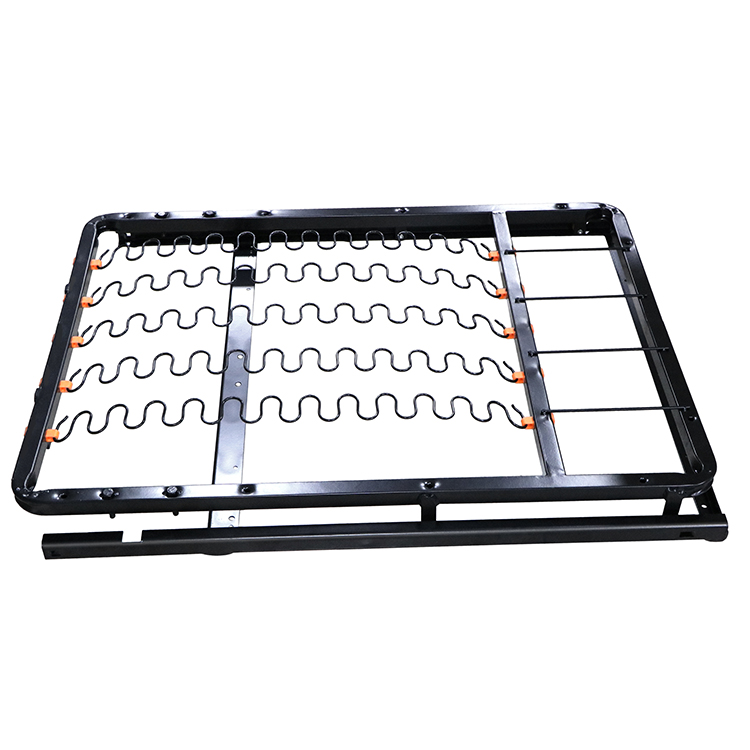

ZD-L017-C
WINSTAR
| Size: | |
|---|---|
| Color: | |
| Quantity: | |


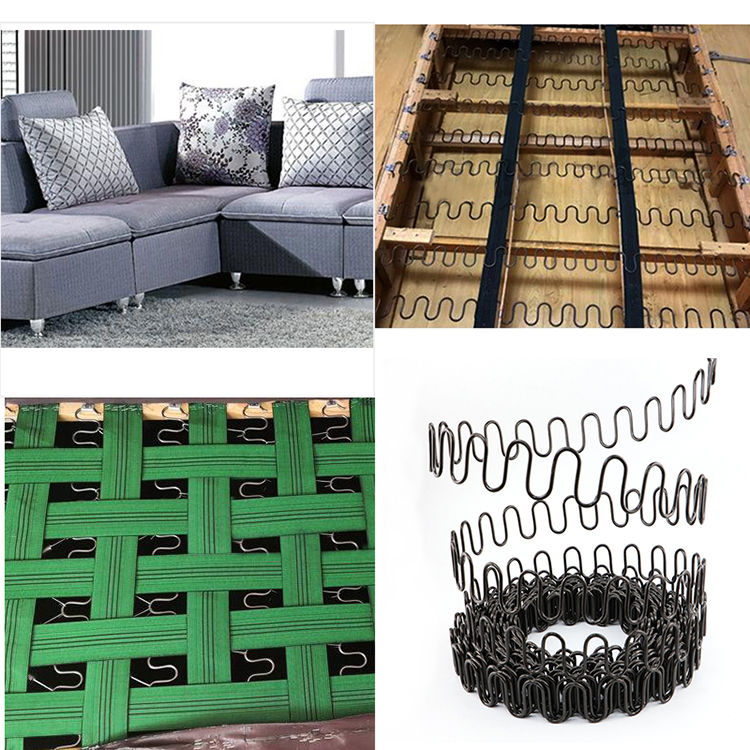
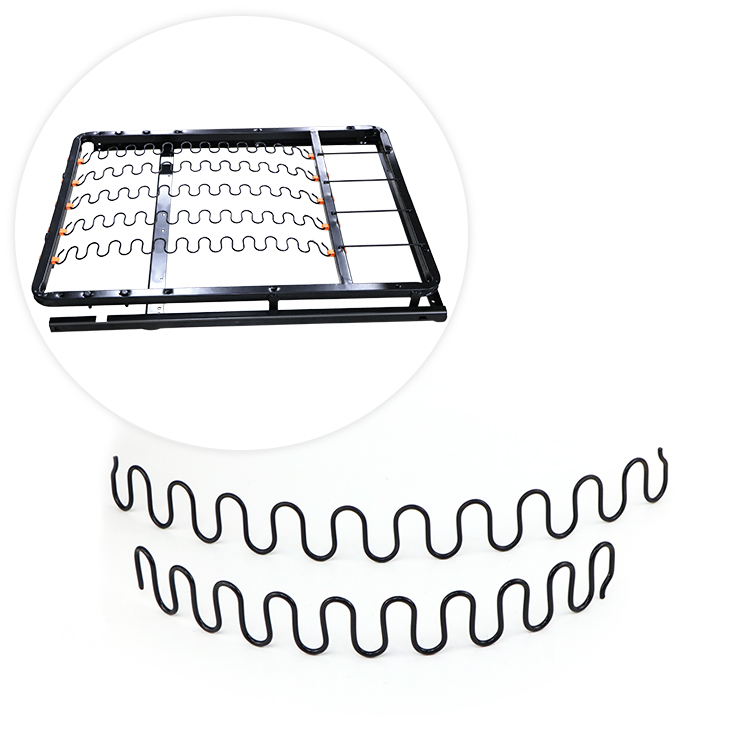
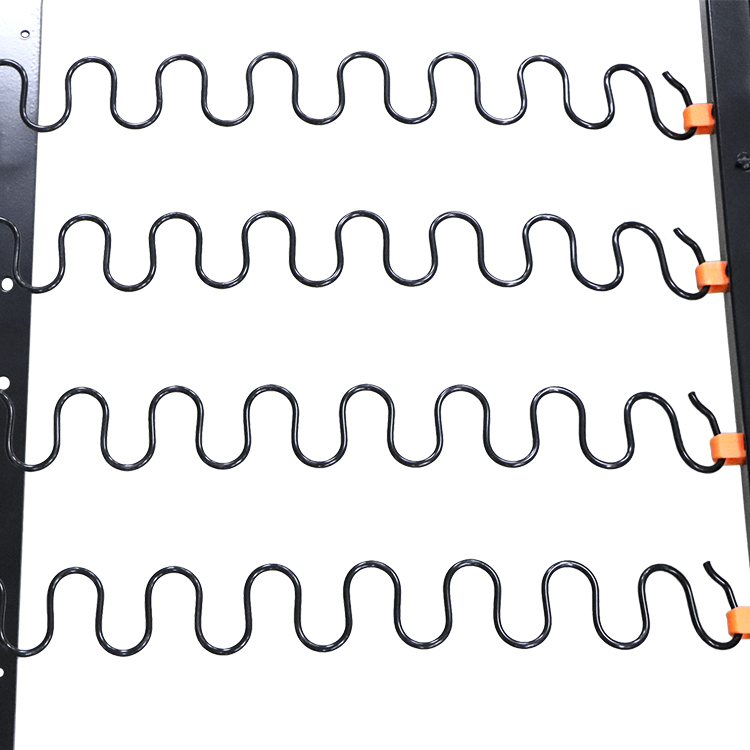
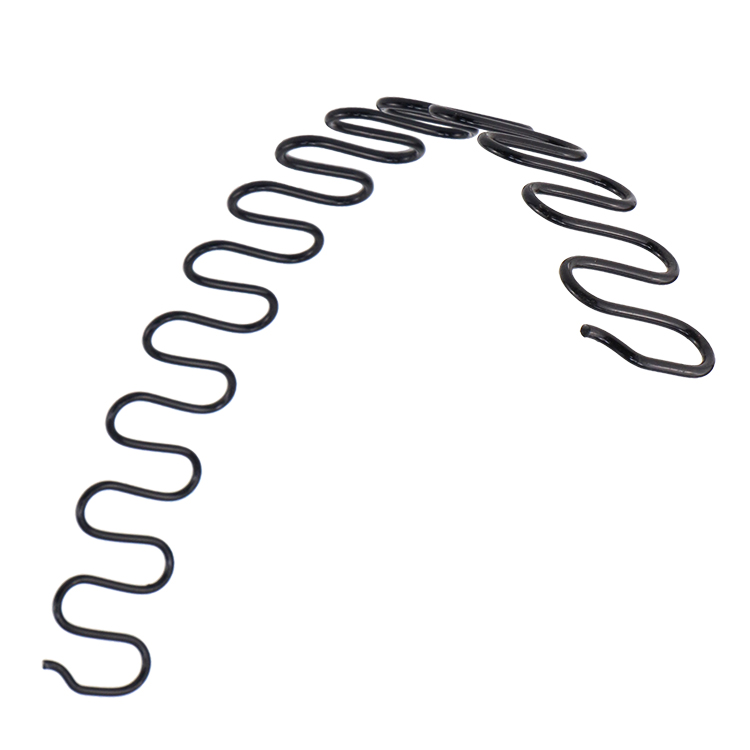
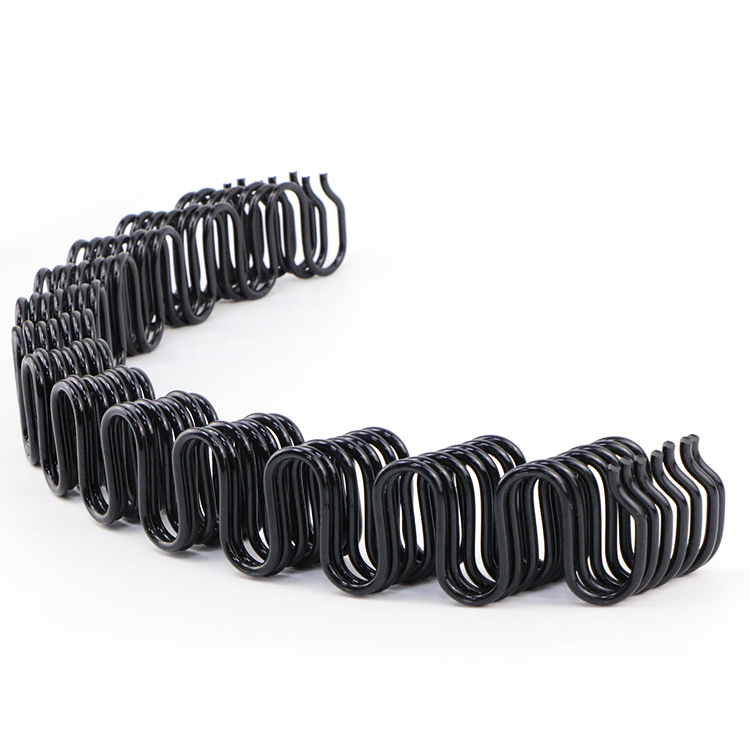
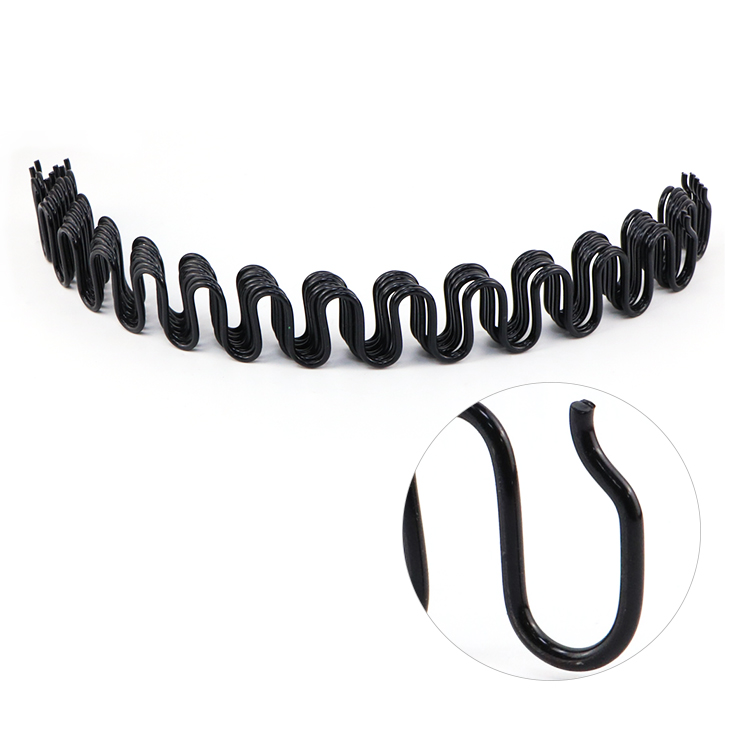
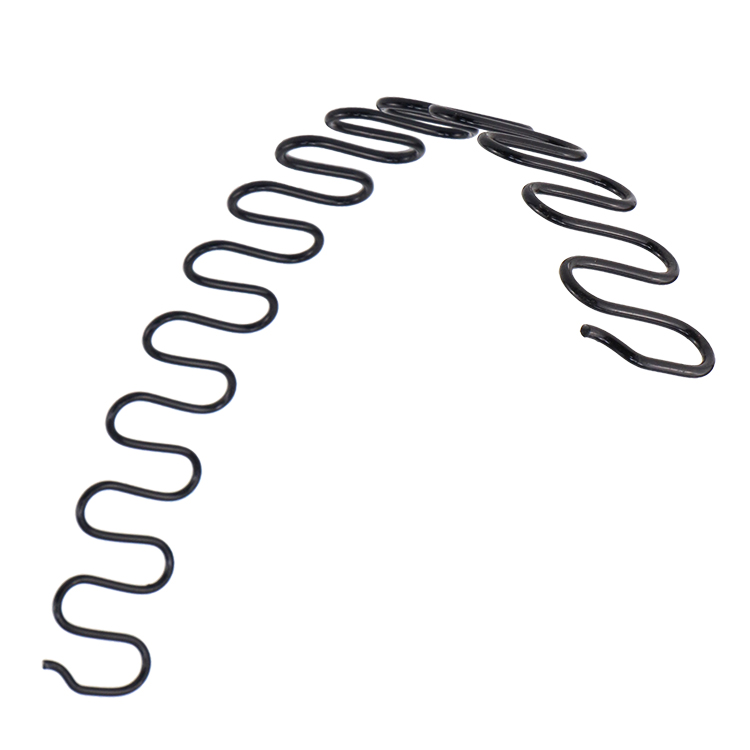
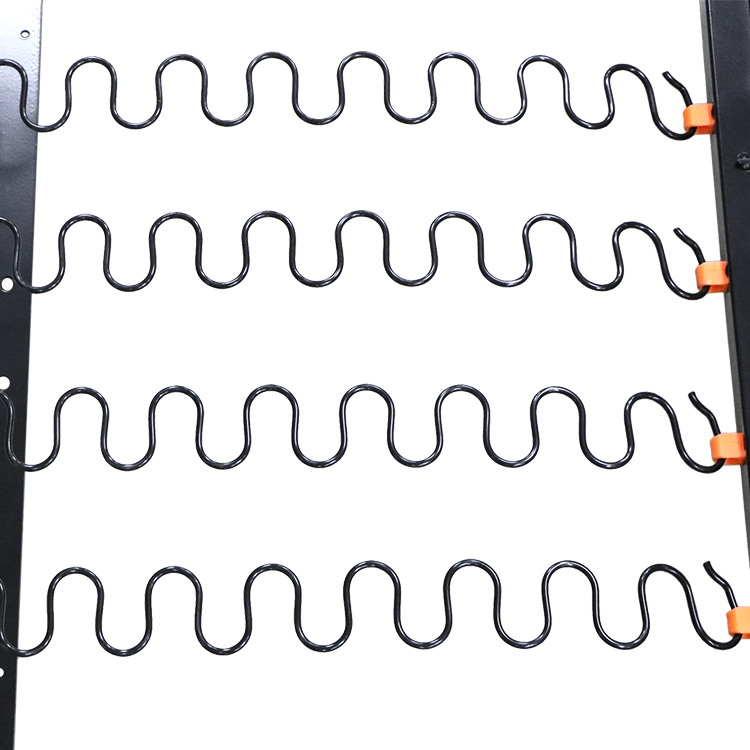
Furniture structural integrity relies heavily on the foundation, and zigzag springs—often referred to as sinuous or serpentine springs—serve as the essential backbone for comfortable seating. Unlike standard cylindrical or leaf variants, these specialized continuous wire structures provide a flat, firm, yet highly resilient base. They are extensively utilized in manufacturing plush sofas, ergonomic lounge chairs, and durable automotive seating. By replacing traditional webbing methods, these components eliminate tedious hand-tying processes, ensuring long-lasting shape retention and preventing the dreaded sagging effect even under heavy, continuous use. The tactile feel of the finished furniture is noticeably firmer and more supportive, directly translating to enhanced user satisfaction.
The core strength of these furniture supports stems from the selection of premium, high-tensile steel wire. During the initial forming stages, the metal undergoes rigorous shaping to achieve the precise undulating profile required for optimal weight distribution. To combat moisture and environmental degradation, each piece receives a specialized anti-rust coating. Buyers will notice a distinct visual and tactile finish—typically a bright, smooth tin-plating or a deep, protective blue roasting treatment. This protective barrier allows the metal to withstand humid climates without degrading, significantly extending the operational lifespan of the furniture pieces and maintaining consistent resistance over decades of compression.
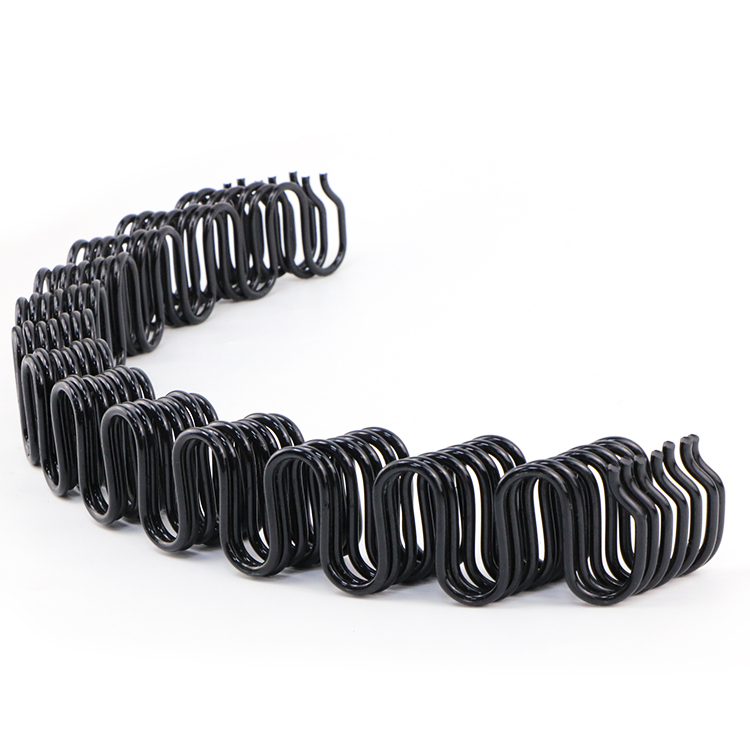
To meet large-scale assembly demands, these components are supplied in standardized industrial rolls. Procurement teams can select from multiple wire gauge options, including standard 8G, 9G, and 11G thicknesses, tailored to specific load-bearing requirements. Furthermore, continuous roll lengths of 111 feet, 120 feet, and 140 feet are available. This bulk packaging approach facilitates smooth integration into factory production lines, allowing manufacturers to cut exact lengths on-site according to specific furniture designs. This method minimizes material waste, optimizes warehouse storage space, and drives down comprehensive procurement costs for large-scale upholstery operations, ensuring a highly efficient supply chain.
The foundation of a flawless zigzag profile begins with an automated material handling system. This sophisticated machinery consists of a heavy-duty material tray, synchronized motors, frequency converters, and precise sensing switches. Its primary function is to deliver the high-tensile wire continuously and smoothly to the main forming unit. In modern furniture component manufacturing, this synchronized feeding is critical. It prevents micro-abrasions on the wire's surface, preserving the integrity of the anti-corrosion coating. Additionally, consistent wire tension during feeding ensures that the final product will perfectly align with standard installation accessories. Factory workers can effortlessly pair these standardized curves with no-sag clips, edge wires, and dedicated pneumatic tensioning tools, drastically accelerating the upholstery assembly line.
The transformation from straight wire to a resilient serpentine structure occurs within advanced CNC bending and forming machines. While traditional manual winding was inefficient and prone to inconsistencies, contemporary CNC equipment guarantees absolute uniformity across thousands of feet of product. This precision is vital for furniture creators who rely on exact dimensions to maintain uniform seating firmness across large sectional sofas or vehicle cabins.
The mechanical architecture responsible for this precision includes several critical stations designed to manipulate the steel without compromising its structural integrity:
During active operation, the high-strength steel is propelled forward by the automated feeder, passing through the straightening and guiding zones. As the material meets the grooved forming tools, it undergoes calculated bending deformation under intense, controlled friction. The pitch block dynamically adjusts to create the repeating serpentine loops. For continuous furniture springs, the system maintains a steady, rhythmic cycle, producing a consistent flat profile that will eventually provide the coveted "no-sag" seating experience. The automated cutter engages only when a specific roll length is achieved, ensuring uninterrupted output and maximum factory throughput.
Advanced diagnostic and control systems allow the machinery to adjust the curve amplitude dynamically. While variable pitch is more common in cylindrical compression springs, the precise control of the pitch block ensures that every loop in the zigzag sequence is identical. This uniformity is what allows upholstery workers to swiftly secure the springs to wooden frames using pneumatic staple guns and specialized clips, drastically reducing manual labor time on the factory floor.
To guarantee exceptional performance and durability, the raw formed metal undergoes several critical finishing stages:
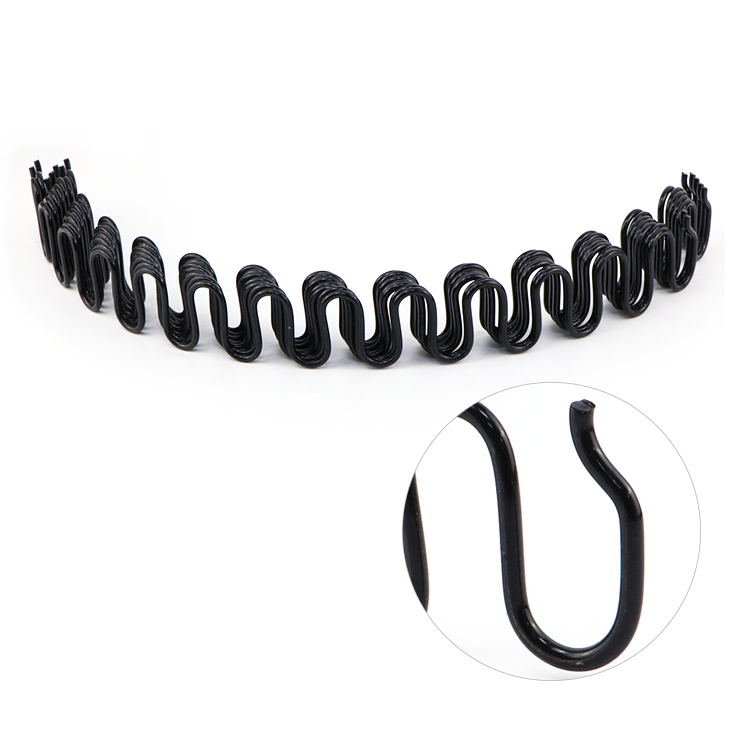
Head Cutting & Trimming: The ends of the wire are precisely sheared to remove sharp burrs. This ensures safe handling during upholstery and leaves appropriate spacing for secure clip attachment. It also corrects any minor deviations in the center diameter caused by raw material variations.
Grinding: While more critical for compression types, edge grinding ensures the mounting points sit perfectly flush against the wooden or metal furniture frames, improving the overall distribution of force.
Tempering (Crucial Step): The formed wire is subjected to a specialized heat treatment to eliminate internal structural stress accumulated during the bending phase. This significantly increases the toughness of the material and locks in the final dimensions. The tempering temperature is strictly maintained at 180~240℃, with a precise holding time of 5~15min.
Anti-corrosion Treatment: To prevent rust and prolong the functional life of the seating, the metal receives a protective barrier. Commonly used methods include a bright tin-plated finish or a deep blue roasting process, both of which stabilize the resistance and protect against ambient humidity.
Strong Pressure Testing: To stabilize the final size and expose any hidden micro-fractures, the product undergoes rigorous stress tests. Methods include the static pressure method, where the unit is compressed until the coils touch (pressure dead) for a set duration, or multiple compression cycles, where the material is forcefully compressed 3 to 10 times to ensure it will never sag under human weight.
The continuous evolution of CNC forming technology and servo-driven artificial intelligence has revolutionized the production of these essential structural components. By combining rigorous thermal treatments, precise dimensional control, and resilient anti-corrosion finishes, these zigzag supports deliver unmatched reliability. They provide furniture creators with a dependable, easy-to-install foundation that guarantees end-users years of comfortable, deformation-free seating.

| | Address: A1 No.277 HeFu Road,Fuwan Industry Area,Gaoming District,Foshan City,Guangdong,P.R.China |
| | 86-13928225189 |
| | Working Time: Mon–Sat: 08:30–18:00 |
| | E-mail: Lisa@fswinstar.com |


