Views: 0 Author: Site Editor Publish Time: 2026-09-01 Origin: Site


Sofa legs serve as much more than mere aesthetic end-points. They act as the primary load-bearing anchors dictating the lifespan of your furniture. Every time someone sits, shifts, or drops onto a couch, intense dynamic forces transfer directly into these base joints. Choosing between standard wooden pegs and heavy-duty metal variants requires careful evaluation. You must understand weight distribution, sheer force resistance, and long-term joint fatigue. A weak leg compromises the entire frame structure. This inevitably leads to wobbly seating and premature structural failure.
This article provides an evidence-based breakdown of metal leg engineering. We will explore how specific shapes and materials maximize overall stability. You will learn how to evaluate different metal alloys and geometric profiles for specific couch designs. We will also outline clear implementation protocols. These guidelines help furniture manufacturers and high-intent restorers build products designed for lasting durability.
Geometric Stability: Specific shapes, particularly triangle metal sofa legs, inherently resist lateral sheer forces better than standard cylindrical posts.
Material Density vs. Weight: Evaluating the trade-offs between stainless steel and aluminum dictates overall load capacity and long-term joint stress.
Mounting Mechanics: A metal leg is only as stable as its mounting plate; wider surface areas distribute tension and prevent frame tear-out.
Aesthetic Functionality: High-end finishes (like gold sofa legs) require specific coating techniques (PVD or electroplating) to resist corrosion and chipping in high-traffic environments.
Furniture engineering faces a persistent structural challenge. Designers must account for dynamic weight across various usage scenarios. People rarely sit down gently. They drop onto cushions, shift their weight, and sometimes even stand on the frame. These actions create aggressive, multi-directional stress on base joints. Static weight simply pushes down. Dynamic weight introduces complex lateral forces pushing outward and sideways against the base.
Instability carries a high penalty. When base supports flex, the entire sofa frame absorbs the excess movement. You will first notice a slight wobble. Over time, this repetitive stress causes the internal wooden frame to sag. Eventually, the structural joints fail completely. For B2B manufacturers, this chain reaction results in costly product returns and damaged brand reputation. For B2C consumers, joint failure ruins an expensive interior investment.
How do we define success for leg replacement and sourcing? Engineering standards suggest aiming for a minimum static load capacity of 800+ lbs per set of four legs. You must achieve this robust support without sacrificing visual appeal. Heavy-duty hardware should still align perfectly with contemporary interior design aesthetics.
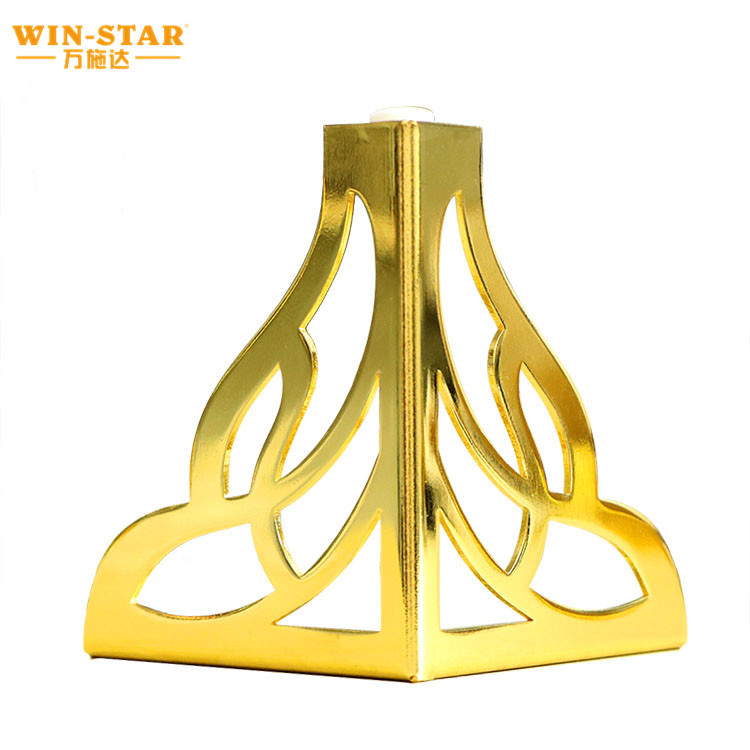
Stability relies on physics just as much as raw material strength. The mounting plate surface area acts as the critical bridge between the leg and the sofa. A broader top-plate creates a wider dispersion of torque against the structural frame. Small mounting plates concentrate all force into a tiny focal point. This concentration often causes screws to rip cleanly out of the wood. Wide plates distribute tension evenly across multiple grain lines.
The angle of incidence also plays a massive role in tip prevention. Many designers prefer slightly splayed or angled profiles for their builds. Angled legs push the base footprint slightly past the vertical edge of the sofa. This specific geometry effectively lowers the center of gravity. It neutralizes the tipping hazard when someone leans heavily against the backrest.
Geometric shape determines rigidity under pressure. Standard straight posts often suffer from lateral sway. They flex slightly when subjected to horizontal pushing forces. The triangular advantage solves this problem entirely. Triangles inherently lock structural nodes in place. They prevent the flex and sway common in straight-post designs. Incorporating triangle metal sofa legs provides superior rigidity across multiple axes of movement. The widened top base of a triangle filters stress evenly down into the centralized floor point.
Shear Stress Resistance: The ability of a leg to resist snapping when pushed from the side.
Tensile Strength: The material's resistance to breaking under heavy tension or pulling forces.
Torque Dispersion: How efficiently a wide mounting plate prevents twisting motions from damaging the wooden frame.
Selecting the right core material fundamentally changes how a sofa performs over time. Manufacturers generally choose between stainless steel and aluminum bases. Each metal offers distinct mechanical advantages. Stainless steel, specifically 304 or 316 grades, provides exceptional tensile strength. Steel easily supports heavy modular sectionals and large multi-seat units. Aluminum provides a different set of benefits. It remains incredibly light while remaining naturally rust-proof. Aluminum bases suit minimalist designs and drastically reduce bulk shipping weights for manufacturers.
Choosing modern sofa legs requires scrutinizing the finish just as closely as the metal itself. Surface finishes dictate both aesthetics and long-term durability. We must evaluate powder coating versus electroplating. Powder coating offers excellent impact resistance. It guards well against accidental shoe kicks or vacuum cleaner bumps. Electroplating bonds metal ions directly to the surface. It provides higher scratch and oxidation resistance for sleek, metallic looks.
When sourcing gold sofa legs, you face the risk of rapid tarnishing. Cheap spray-painted finishes flake away within months. High-end gold finishes require specific application techniques. PVD (Physical Vapor Deposition) represents the gold standard. PVD creates a microscopic layer highly resistant to corrosion and chipping in high-traffic environments. You map these features directly to desired outcomes. For example, a thicker material gauge (thickness) directly correlates to long-term deflection resistance under continuous daily load.
Sofa Leg Material Comparison Data
Material Type | Primary Benefit | Best Application Scenario | Corrosion Resistance |
|---|---|---|---|
304 Stainless Steel | High tensile strength | Heavy modular sectionals | Excellent |
Extruded Aluminum | Lightweight nature | Minimalist B2C shipping models | Very High (Naturally rust-proof) |
Mild Steel (Powder Coated) | Cost-effective strength | Standard residential seating | Moderate (Relies heavily on coating) |
Upgrading a sofa base involves careful mechanical integration. You cannot simply drill screws into any frame material. Addressing frame compatibility remains your most critical first step. Many modern sofas utilize MDF or particleboard for their base framing. These composite woods lack the structural grain necessary for heavy hardware. You risk severe tear-out when upgrading to heavy-duty metal furniture legs if you ignore frame compatibility.
Fastener requirements dictate the security of the mounting process. Standard wood screws often fail under lateral stress. Their shallow threads easily rip through soft pine or MDF baseboards. You must utilize specialized anchoring hardware. Threaded inserts or robust lag bolts provide necessary metal-to-wood anchoring security. A threaded insert grips the wood internally, transferring stress across a much wider area than a standard screw thread.
Floor protection integration requires equal attention. Raw metal edges will permanently gouge hardwood or luxury vinyl flooring. A bare metal leg also creates high friction against the floor. When someone scoots the sofa backward, this friction transfers sheer stress directly up into the frame joints. You must evaluate built-in glides carefully. High-density rubber pads or nylon caps prevent floor gouging entirely. They also allow the sofa to slide slightly under heavy impact, acting as a pressure release valve for the frame.
Locate Solid Wood: Always anchor mounting plates directly into solid hardwood structural corners, avoiding hollow spaces.
Pre-drill Holes: Never drive screws directly into the frame. Pre-drill pilot holes to prevent the wooden base from splitting.
Install Threaded Inserts: For composite frames (MDF), drill a larger hole, glue a threaded insert in place, and use machine bolts for attachment.
Attach Floor Glides: Affix PTFE (Teflon) or nylon glides to the base of the metal to reduce friction before flipping the sofa upright.
Finding the right supplier requires a strict evaluation framework. You cannot judge structural hardware based solely on visual aesthetics. Supplier evaluation criteria must demand verifiable load-test data. Reputable manufacturers perform stress tests simulating years of daily use. You should also request weld-joint integrity reports. A poorly welded seam will snap long before the core metal ever bends.
Batch consistency separates premium suppliers from budget alternatives. Precision in overall height remains absolutely vital. If one leg measures even three millimeters shorter than the others, the entire sofa will wobble. Mounting hole alignment also requires strict consistency. When holes vary between batches, automated assembly lines face massive delays. Even DIY restorers struggle when replacement sets lack uniform hole spacing.
Executing an upgrade involves several precise next-step actions. First, measure your existing floor clearance. This determines your target leg height. Ergonomic seating usually requires a seat height between 17 and 18 inches from the floor. Next, match your thread types carefully. If you are screwing new legs into existing factory sockets, you must identify the thread pitch. Common sizes include metric M8 threads or imperial 5/16" threads. Forcing a metric bolt into an imperial socket will strip the internal housing entirely.
Supplier Audit Chart Summary
Audit Category | Key Metric to Verify | Acceptable Standard |
|---|---|---|
Load Testing | Static vertical crush weight | Minimum 200 lbs per single leg |
Weld Quality | Seam continuity and slag removal | Smooth, continuous TIG/MIG welds |
Dimensional Tolerance | Height variation per batch | Less than +/- 1.5 millimeters |
Finish Thickness | Micron thickness of coating | Supplier verified PVD or thick-coat powder |
Metal legs offer an undeniable structural upgrade over traditional wooden materials. They transform a vulnerable stress point into a resilient anchor. However, this upgrade only works when you correctly match geometry, material gauge, and mounting plates to the sofa's frame. Selecting hollow, cheap materials or using improper fasteners negates all potential structural benefits.
Prioritize intelligent load distribution and mounting security over pure visual aesthetics. A stunning design means nothing if the sofa collapses within a year. Verify your frame material before purchasing. Upgrade your fasteners to threaded inserts whenever possible. Always ensure your chosen hardware includes proper floor glides to reduce lateral friction. Following these protocols ensures maximum structural integrity, protecting your interior investments for decades.
A: Generally, yes. Hollow-gauge steel or solid aluminum legs can support 200–300 lbs per leg. They vastly outperform standard pine or composite wood legs in sheer force resistance. Metal inherently resists snapping under lateral pressure much better than organic wood grain.
A: They will if left unprotected. High-quality metal legs must be evaluated based on the inclusion of base protectors. Always ensure your hardware includes high-density felt, rubber, or nylon base glides before placing them on delicate flooring surfaces.
A: Fit depends entirely on the mounting plate footprint. You must measure the flat surface area on the bottom corners of your sofa frame. Ensure it can accommodate the wider, three-point base of a triangular leg without overhanging the edge of the wood.
A: It depends on the application method. PVD (Physical Vapor Deposition) or high-grade electroplating offers incredibly high scratch resistance. Conversely, cheap spray-painted finishes will chip upon impact with vacuums or shoes. Always verify the specific coating process with your supplier.

| | Address: A1 No.277 HeFu Road,Fuwan Industry Area,Gaoming District,Foshan City,Guangdong,P.R.China |
| | 86-13928225189 |
| | Working Time: Mon–Sat: 08:30–18:00 |
| | E-mail: Lisa@fswinstar.com |


