Views: 0 Author: Site Editor Publish Time: 2025-06-17 Origin: Site


When we think about furniture design, most of us focus on style, materials, and functionality. However, a crucial but often overlooked component that significantly influences ergonomics and user comfort is the furniture feet. These seemingly small elements do far more than just support the furniture—they contribute directly to the stability, posture, usability, and overall comfort of the end-user.
In this comprehensive guide, we will explore how furniture feet affect ergonomics and user comfort across various types of furniture, including chairs, sofas, desks, and beds. We will delve into the types of furniture feet, materials, and design considerations that improve user experience. Additionally, we will provide practical tips for manufacturers, interior designers, and consumers to choose and maintain the right furniture feet for optimal ergonomic benefits.
Finally, for those seeking reliable, high-quality furniture feet, we will recommend FSWinstar — a trusted supplier with an extensive selection of durable and ergonomic furniture feet designed to enhance both comfort and functionality.
Ergonomics is the science of designing products and environments that fit the people who use them. In furniture, ergonomics focuses on creating pieces that support proper posture, reduce strain, and promote comfort during use. While ergonomic design often centers on seat height, backrests, and cushioning, furniture feet play an indispensable role in ensuring stability, appropriate height, and alignment.
Without proper furniture feet, even the best-designed chair or table can become uncomfortable or unsafe. Wobbly or uneven furniture can cause poor posture, discomfort, and even injury over time. Therefore, furniture feet are a foundational ergonomic component that deserves attention in design and maintenance.
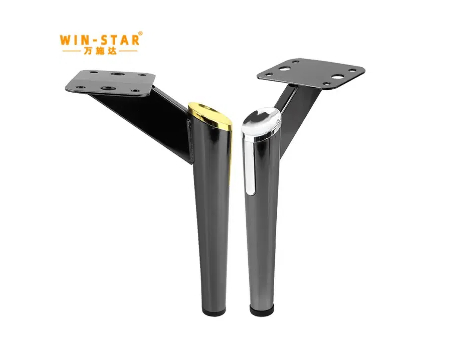
One of the primary functions of furniture feet is to provide a stable base. Stability is essential for user confidence and safety, especially for chairs, stools, and beds. Uneven or worn-out feet lead to rocking, wobbling, or tilting furniture, which can cause users to compensate with awkward postures, resulting in muscle strain and discomfort.
Well-designed feet with secure attachment prevent movement.
Adjustable feet help balance furniture on uneven floors, maintaining ergonomic posture.
Furniture feet contribute directly to the height of chairs, desks, beds, and other items, which affects how users sit or lie down.
Chairs with the correct seat height allow feet to rest flat on the floor, knees at roughly 90 degrees, supporting good circulation.
Desks with appropriate height reduce shoulder and wrist strain during work.
Beds with suitable height aid in ease of sitting down and standing up, reducing fall risk.
Furniture feet that are adjustable or come in various sizes allow customization for diverse users and settings, improving ergonomic outcomes.
Furniture feet often include rubber pads or caps that protect flooring from scratches and reduce noise. These features also add to user comfort:
Rubber feet absorb shock and vibration when furniture is moved or used.
Noise reduction prevents distractions and promotes a more pleasant environment, essential in office or home settings.
Some furniture feet are equipped with caster wheels or sliders that enhance mobility without sacrificing ergonomic stability.
Office chairs with caster feet facilitate ease of movement, reducing strain from repetitive reaching.
Furniture with smooth sliders can be repositioned effortlessly, improving spatial ergonomics.
Choosing the right type of furniture feet with the proper balance between stability and mobility is critical for user comfort.
These feet are permanently attached and offer solid stability. Common in sofas, cabinets, and dining chairs, fixed feet ensure the furniture stays in place and supports consistent posture.
Advantage: Superior stability and safety.
Consideration: Less flexibility for uneven floors unless adjustable pads are added.
Adjustable feet allow height modifications, which is especially useful for office desks, workbenches, and ergonomic chairs.
Advantage: Customized comfort for different users.
Ergonomic Benefit: Supports proper alignment, reducing strain on joints and muscles.
Caster wheels provide mobility for office chairs and certain utility furniture, while gliders allow smooth repositioning on hard floors.
Advantage: Enhance movement and accessibility.
Ergonomic Benefit: Reduces physical effort in repositioning furniture.
Often added to furniture feet, these pads prevent slipping, reduce noise, and protect flooring.
Advantage: Enhances comfort by preventing sudden shifts.
Ergonomic Benefit: Maintains stable footing and reduces distractions.
Wooden feet are sturdy and aesthetically pleasing but may require rubber pads to prevent floor damage and slipping.
Comfort Consideration: Wood alone can be slippery on smooth floors, so additional protection is advised.
Metal feet offer strength and durability, suitable for heavy furniture and modern designs. Rubber caps can improve grip and protect floors.
Comfort Consideration: Metal feet without rubber can scratch floors and cause noise.
Plastic feet are lightweight and affordable but may wear out faster. Rubberized plastic provides better grip and noise absorption.
Comfort Consideration: Best for light furniture and casual use.
Rubber furniture feet or pads enhance grip, reduce noise, and absorb shock, significantly contributing to comfort.
Comfort Consideration: Ideal for furniture requiring both stability and floor protection.
Assess Usage Environment
Consider the type of flooring (wood, tile, carpet) and room purpose (office, home, commercial) to choose suitable feet materials and features.
Prioritize Adjustability
For furniture used by multiple people, adjustable feet ensure ergonomic customization and sustained comfort.
Check Weight Capacity
Furniture feet must support the intended load safely to prevent instability or damage.
Look for Quality
Invest in well-made furniture feet to ensure durability and consistent performance.
Include Protective Pads
Rubber or felt pads improve stability and protect flooring, enhancing overall comfort.
Regular inspection and maintenance of furniture feet are essential to maintain ergonomic benefits:
Tighten loose screws or bolts to prevent wobbling.
Replace worn or damaged feet promptly.
Clean feet and floor contact areas to avoid slips.
Add or replace rubber pads as needed.
Proper care prolongs the life of furniture and preserves user comfort.
To ensure your furniture maintains excellent ergonomic performance and user comfort, sourcing premium furniture feet is vital. FSWinstar specializes in a wide range of furniture feet designed with both durability and ergonomics in mind.
Their extensive catalog includes adjustable feet, rubber-capped metal feet, wooden feet with protective pads, and caster wheels that meet international quality standards. FSWinstar supports manufacturers, designers, and end-users by providing customizable, high-quality solutions that enhance furniture comfort and longevity.
Visit www.fswinstar.com to explore their product range and find the perfect furniture feet to improve the ergonomics and comfort of your furniture.
Furniture feet are fundamental yet often underestimated components that dramatically influence ergonomics and user comfort. They provide essential stability, help achieve correct furniture height, protect floors, reduce noise, and contribute to overall usability.
Choosing the right type, material, and design of furniture feet tailored to the specific furniture and environment is key to promoting healthy posture and comfort for users. Regular maintenance and quality sourcing further ensure that ergonomic benefits are sustained over time.
For superior furniture feet solutions that optimize both comfort and functionality, trust FSWinstar — your reliable partner in quality furniture accessories. Visit www.fswinstar.com today to learn more.

| | Address: A1 No.277 HeFu Road,Fuwan Industry Area,Gaoming District,Foshan City,Guangdong,P.R.China |
| | 86-13928225189 |
| | Working Time: Mon–Sat: 08:30–18:00 |
| | E-mail: Lisa@fswinstar.com |


