Industrial Caster Wheel Overview
Selecting the right mobility components is a critical decision for facility operators and equipment manufacturers. Casters come in a variety of styles to meet different application scenarios and needs, directly impacting floor preservation, operator fatigue, and overall workflow efficiency. The moment you handle these industrial mobility solutions, the dense structure of the polyurethane (PU) and industrial rubber tread becomes evident. Running your hand along the wheel surface reveals a precision-engineered texture designed for maximum puncture resistance and floor protection. The solid cast iron and phenolic resin cores provide a reassuring heft, while the distinct, faint scent of fresh vulcanized rubber speaks to the industrial-grade materials used in manufacturing. To support large-scale procurement, we provide comprehensive OEM/ODM customization, complimentary 3D CAD model downloads for engineering integration, and flexible global logistics support including FOB and CIF terms. Here are some common castor styles configured for demanding environments:
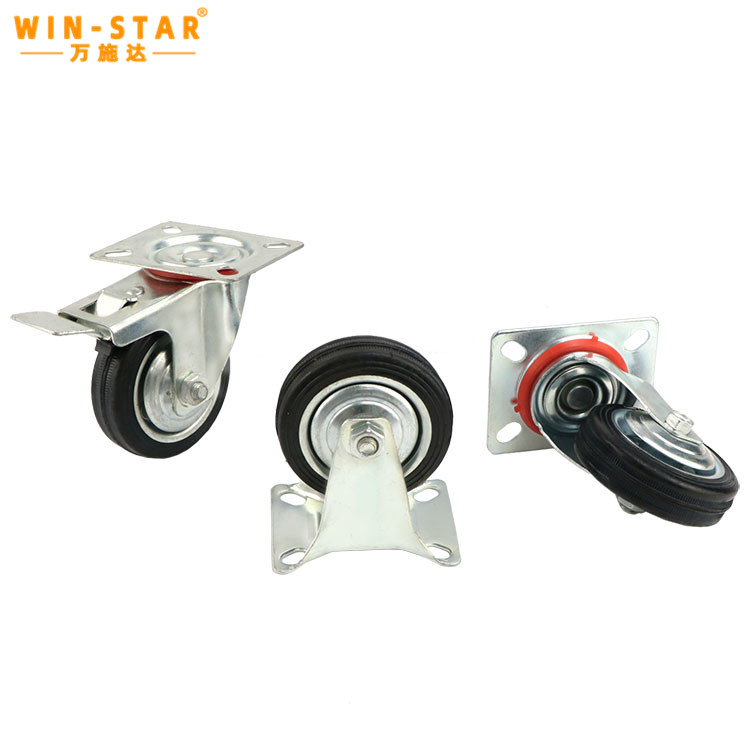
Classification by function
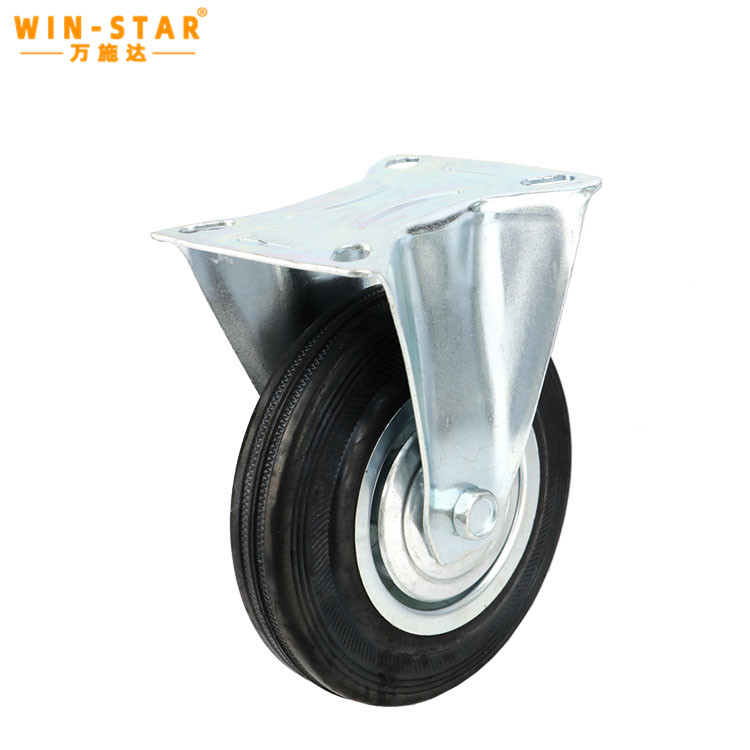
Directional caster:
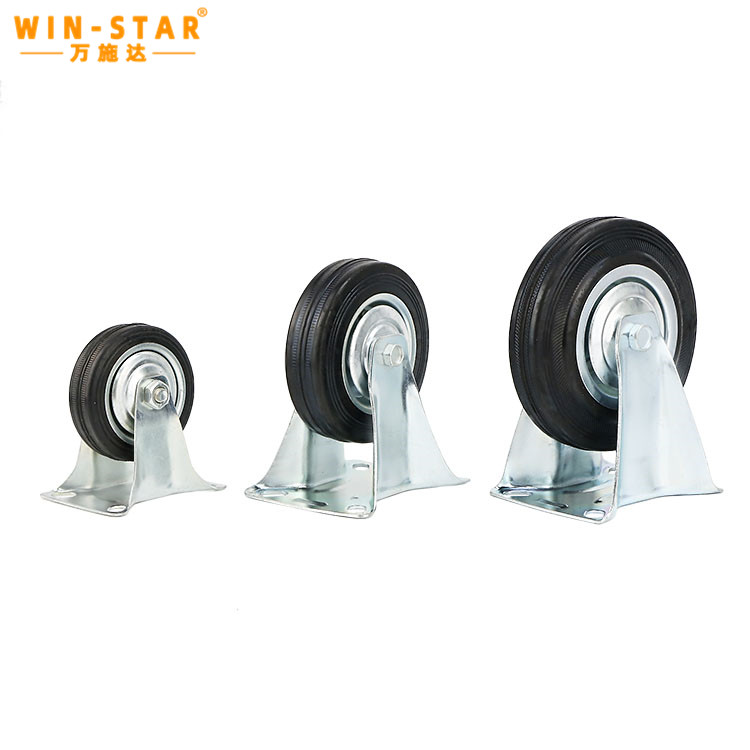
Also known as fixed casters, the wheels can only move in one direction. It is usually used for equipment that requires a stable moving trajectory, such as conveyor belts and fixed equipment on production lines. Provides strong support and stability, suitable for moving equipment in a straight direction. When navigating long corridors in automotive assembly plants or maintaining strict alignment in food processing facilities, these fixed units prevent unwanted drifting. They are available with multiple mounting interfaces, including standard top plate, threaded stem, and direct welding options, ensuring they integrate perfectly with various industrial carts and heavy machinery.
Non-directional casters (universal casters) :
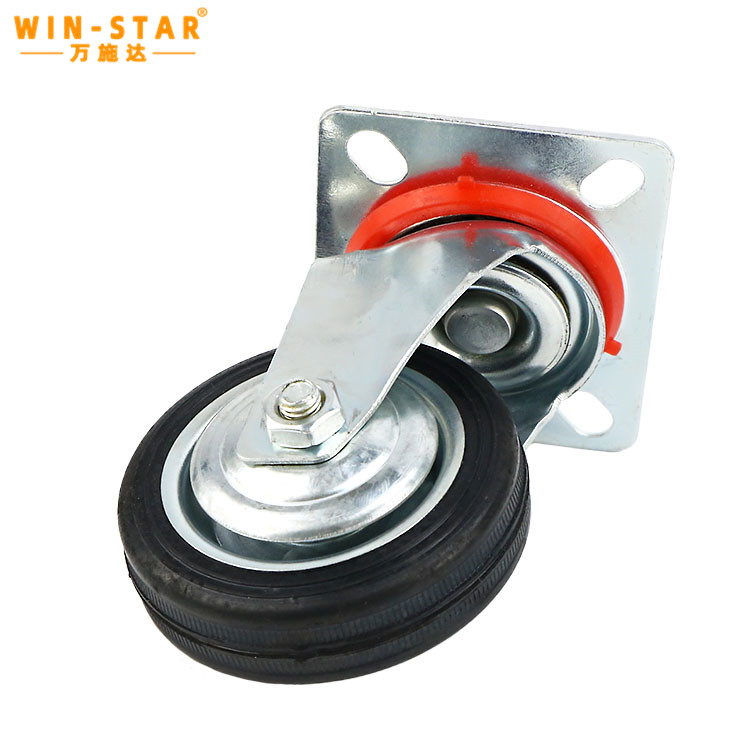
It can be rotated 360 degrees, allowing the device to move flexibly in any direction. Suitable for devices that require frequent turning or flexible movement, especially when operating in tight Spaces. Can significantly improve the ease of operation. The swivel raceway is packed with precision ball bearings that emit a quiet, fluid hum when spun, reducing the physical strain on operators. This ergonomic advantage is crucial for manual material handling, allowing heavy loads to be maneuvered around sharp corners and narrow warehouse aisles with minimal initial push force.
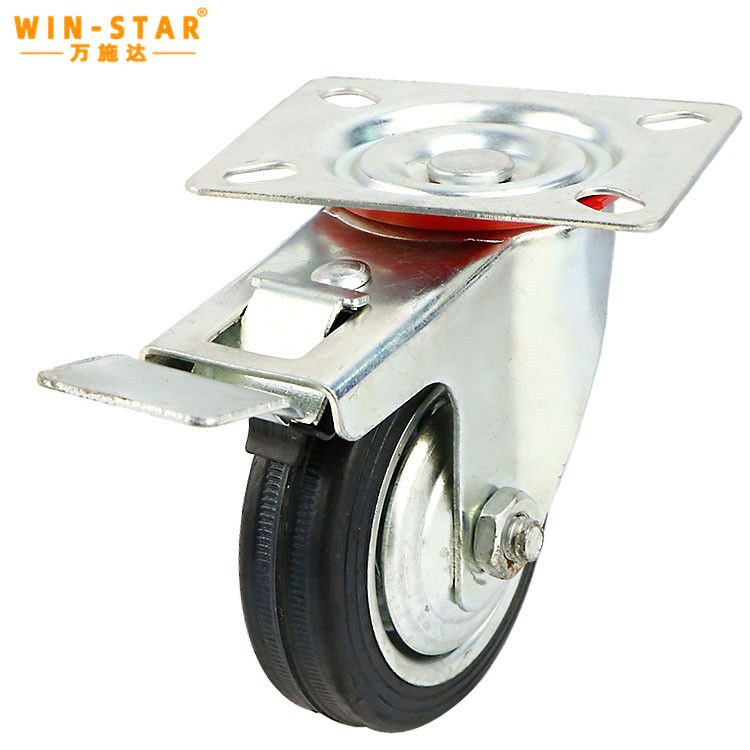
Brake caster:
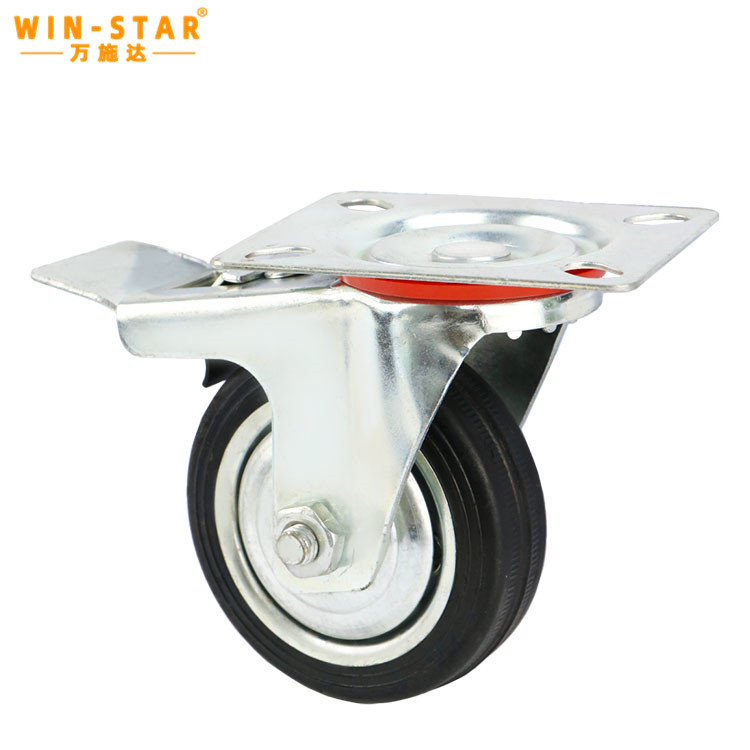
It is equipped with a brake device that can hold the device in a certain position when needed to prevent it from moving. It is widely used in sloping ground or when equipment is required to remain stationary during operation. Such as nursing beds, industrial equipment, etc. need to be fixed in a certain position, will use this caster. Engaging the dual-locking mechanism produces a satisfying, definitive metallic click, instantly immobilizing both the wheel rotation and the swivel raceway. Advanced configurations include side brakes and total lock systems, often paired with shock-absorbing suspension to protect sensitive payloads from sudden jolts.
No brake caster:
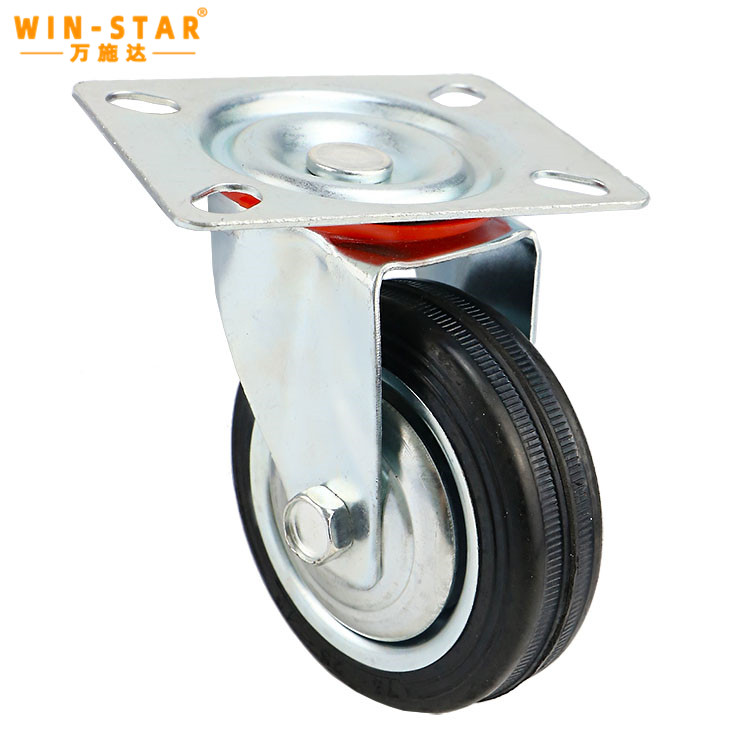
Simple design, no braking function. Suitable for devices that do not need to be fixed in a specific location, it is lighter and more suitable for frequent movement. In logistics distribution, the use of brake-free caster equipment such as trolleys, packaging vehicles, etc., can move quickly and improve work efficiency. The absence of locking pedals reduces the overall profile, preventing snagging on loose cables or debris on the factory floor, ensuring continuous momentum during fast-paced sorting operations. Facility managers appreciate the reduced maintenance requirements of these streamlined designs, as there are fewer moving parts susceptible to dust accumulation or mechanical failure.
Classification by Load Capacity
Lightweight casters:
Small bearing weight, usually made of plastic, rubber or light metal. Flexible and lightweight, suitable for use in home and office environments, such as chairs, bookshelves, small carts, etc. Despite their smaller scale, these units are engineered to glide silently across hard floors without leaving scuff marks. The synthetic rubber compounds absorb minor surface vibrations, providing a smooth tactile feedback through the handle of the cart. They are particularly valued in institutional settings where minimizing noise pollution is a priority, ensuring that daily operations do not disrupt the surrounding environment.
Medium casters:
Moderate weight, suitable for some medium load equipment. It is widely used in factories, warehouses and other environments. These units strike an optimal balance between agility and structural support. The zinc-plated steel housings resist early signs of oxidation, maintaining a clean, professional appearance even after prolonged exposure to warehouse dust and occasional moisture. Facility maintenance teams rely on these versatile components for daily material transport, appreciating their ability to transition smoothly between polished concrete floors and rougher transition zones without jarring the cargo.
Heavy casters:
Designed for heavy weight bearing equipment, usually metal materials. With strong bearing capacity and wear resistance, it is suitable for use in harsh environments, such as factory workshops or outdoor construction sites. Engineered for the most demanding applications, these heavy-duty rollers boast dynamic and static load limits exceeding 3,000 pounds per wheel. The thick, reinforced steel yokes are forged to withstand severe lateral impacts, ensuring your heaviest industrial machinery remains mobile and secure under extreme stress. The integration of advanced grease fittings allows for routine lubrication, extending the operational lifespan even under constant heavy loads.